Showcase Success: How to Prepare Your Property for Picture-Perfect Media Results

Tips and Tricks to Prepare Your Property for Media
When it comes to showcasing a property through media, presentation is key. Whether you're preparing for a photoshoot or a virtual tour, a clean and decluttered space can make all the difference. Here are some essential tips and tricks to ensure your property shines in the spotlight.
1. Declutter for a Clean Presentation
One of the most important steps in preparing your property is decluttering. A clutter-free environment allows potential buyers or renters to envision themselves in the space. Here are some decluttering tips:
Remove Personal Items: Take away family photos, personal mementos, and any items that may distract viewers.
Clear Surfaces: Ensure countertops, tables, and shelves are free of unnecessary items. This creates a sense of space and openness.
Organise Closets: Buyers will often peek into closets, so make sure these spaces are tidy and organised.
2. Clean Thoroughly
A deep clean is essential to make your property look its best. Here are some areas to focus on:
Floors: Vacuum carpets and mop hard floors to remove any dirt or stains.
Windows: Clean windows inside and out to maximise natural light and improve the view.
Bathrooms and Kitchens: Pay special attention to these areas, as they are often focal points for buyers.
3. Ensure Proper Lighting
Lighting can dramatically affect the mood and appeal of a space. Here are some lighting tips:
Check All Lights: Ensure that all bulbs are working and replace any burnt-out ones.
Utilise Natural Light: Open curtains and blinds to let in as much natural light as possible during the photoshoot.
Use Warm Light Bulbs: Consider using warm light bulbs to create a cozy and inviting atmosphere.
4. Consider Virtual Editing
If time is tight and you can't physically declutter or clean before the media shoot, virtual editing can be a lifesaver. Professional editing services can enhance your photos by removing clutter, improving lighting, and even staging the space digitally. This option allows you to present your property in the best possible light without the stress of physical preparation.
5. Utilise Virtual Furniture
Virtual furniture can be an excellent tool for showcasing your property. Here are some benefits:
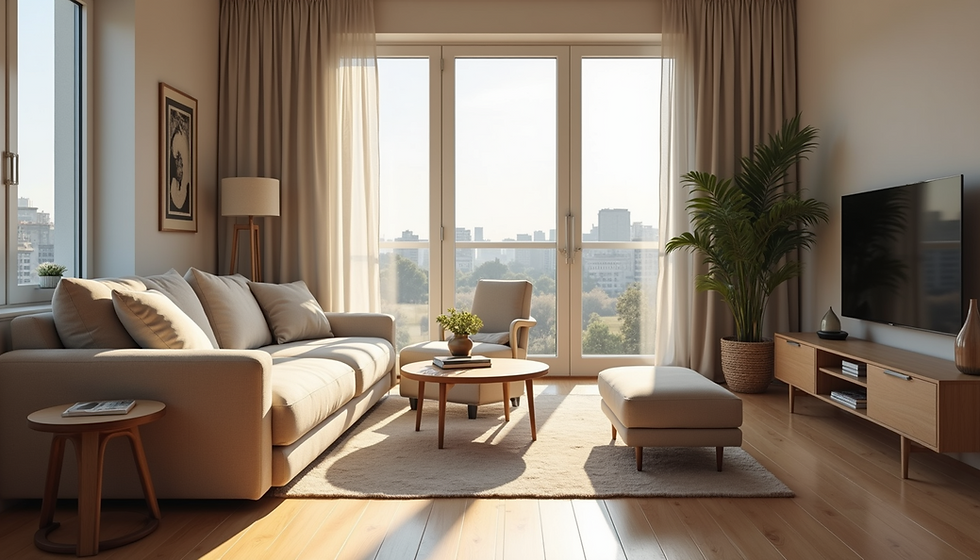
Visual Appeal: Virtual staging can help potential buyers visualize how the space can be utilised, making it more appealing.
Cost-Effective: Instead of investing in physical furniture, virtual options are often more affordable and can be tailored to fit any style.
Flexibility: Virtual furniture can be easily adjusted or changed to highlight different aspects of the property.
Conclusion
Preparing your property for media is crucial for making a strong impression. By decluttering, cleaning, ensuring proper lighting, and considering virtual options, you can present your space in the best possible way. These tips will help you create an inviting atmosphere that resonates with potential buyers or renters, leading to a successful sale or rental.
In the competitive world of property sales and rentals, the quality of your property images can make or break a deal. Stunning visuals attract more potential buyers or tenants, create a lasting impression, and ultimately speed up the sale or lease process. Mastering property imagery is not just about having a good camera; it involves understanding lighting, composition, and presentation techniques that highlight the best features of a property.
Essential Property Imagery Tips to Elevate Your Listings
Creating compelling property images requires attention to detail and a strategic approach. Here are some practical tips to help you capture photos that stand out:
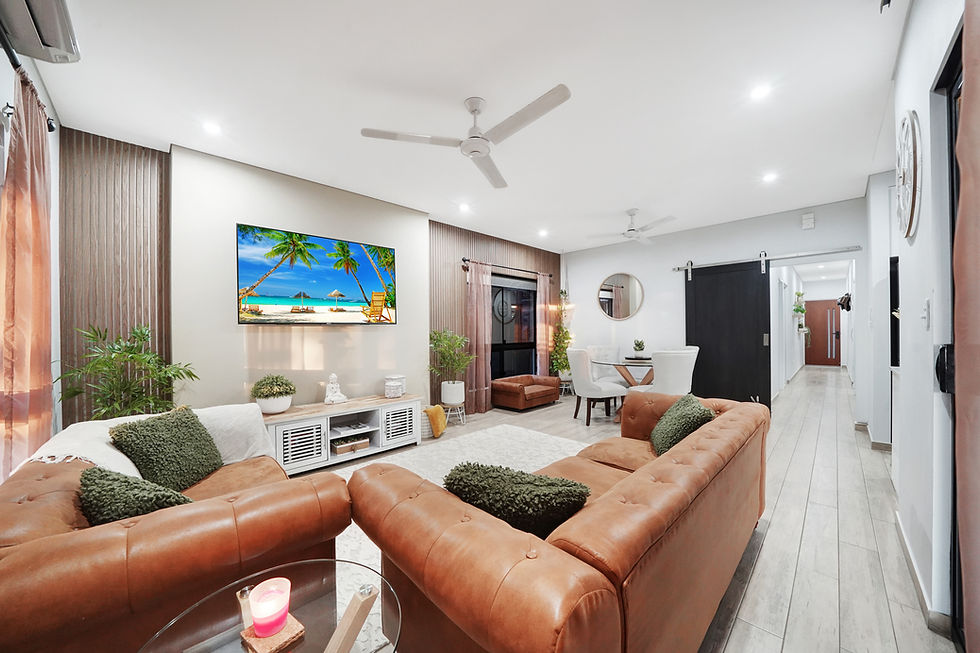
Use natural light whenever possible: Shoot during the day when rooms are flooded with sunlight. Open curtains and blinds to maximise brightness.
Declutter and stage the space: Remove personal items and excess furniture to make rooms appear spacious and inviting.
Choose the right angles: Shoot from corners or eye-level to capture the full depth and layout of rooms.
Focus on key features: Highlight unique architectural details, modern appliances, or outdoor spaces.
Keep the camera steady: Use a tripod to avoid blurry images and maintain consistent framing.
Edit thoughtfully: Adjust brightness, contrast, and sharpness but avoid over-editing that misrepresents the property.
These tips help create images that not only look professional but also tell a story about the lifestyle the property offers.
How Lighting Transforms Property Imagery
Lighting is one of the most critical elements in property photography. It can dramatically change the mood and perception of a space. Here’s how to use lighting effectively:
Shoot during the golden hour: Early morning or late afternoon light adds warmth and softness to images.
Avoid harsh midday sun: Direct sunlight can create strong shadows and highlights that distract from the property’s features.
Use artificial lighting to complement natural light: Lamps and ceiling lights can fill dark corners and balance the overall exposure.
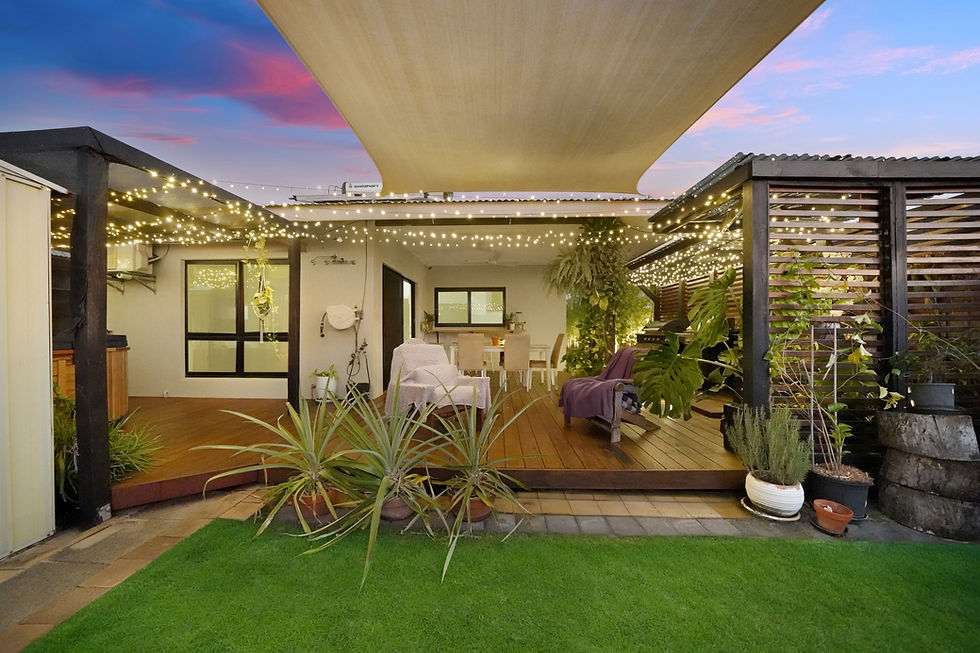
Consider twilight photography: Capturing a property at dusk with interior lights on can create a cozy and inviting atmosphere that appeals to buyers.
For professional results, consider hiring experts who specialise in twilight and interior lighting photography. They know how to balance natural and artificial light to showcase properties at their best.
What is the 20 60 20 Rule in Photography?
The 20 60 20 rule is a composition guideline that helps photographers create balanced and engaging images. It divides the frame into three horizontal sections:
Top 20%: Usually the sky or ceiling area, providing context and space.
Middle 60%: The main subject or focal point, such as the room or building facade.
Bottom 20%: The foreground, like flooring or landscaping, grounding the image.
Applying this rule in property photography ensures that images are well-proportioned and visually appealing. For example, when shooting a living room, include a bit of the ceiling and floor to give a sense of scale and depth. This technique helps potential buyers better understand the space and layout.

Practical Equipment and Settings for Property Photography
To achieve professional-quality property images, the right equipment and camera settings are essential. Here’s what you need to know:
Camera: A DSLR or mirrorless camera with manual settings is ideal. Smartphones with advanced camera features can also work if used correctly.
Lens: A wide-angle lens (14-24mm) captures more of the room and makes spaces appear larger.
Tripod: Stabilises the camera for sharp images and allows for longer exposures in low light.
Settings:
- Use a low ISO (100-400) to reduce noise.
- Set aperture between f/8 and f/11 for sharpness and depth of field.
- Adjust shutter speed based on lighting conditions; longer exposures may be needed indoors.
Remote shutter release: Prevents camera shake when taking photos.
Experiment with these settings and review your shots to ensure clarity, brightness, and accurate colour representation.
Enhancing Your Property Listings with Professional Photography
Investing in professional real estate photography can significantly boost your property’s marketability. Professional photographers bring expertise in lighting, composition, and post-processing that amateurs often lack. Here are some benefits:
Higher quality images that attract more views and inquiries.
Faster sales or rentals due to better first impressions.
Consistent branding across all listings.
Access to specialised services like drone shots, twilight images, and virtual tours.
Even if you prefer to take your own photos, studying professional work can inspire you to improve your technique and presentation.
Mastering property imagery is a powerful way to enhance your property’s appeal and achieve success in the market. By applying these tips and techniques, you can create captivating visuals that draw attention and help close deals faster. Whether you choose to DIY or hire a professional, remember that great images are an investment that pays off in the long run.


Comments